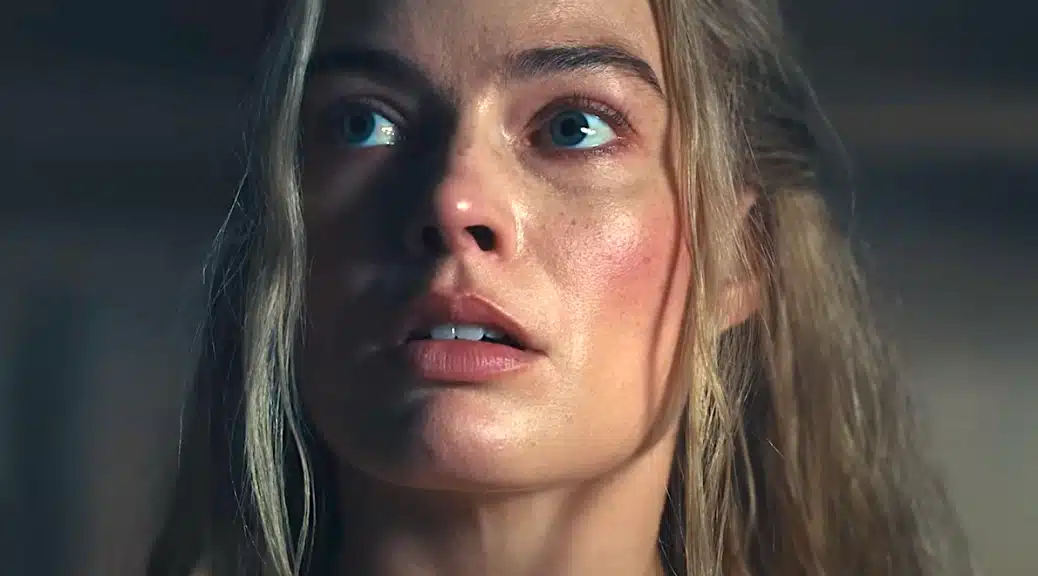

Wuthering Heights Margot Robbie
The main topic about the new Wuthering Heights adaptation is Margot Robbie being cast as Catherine Earnshaw. Casting is crucial for films based on classic novels. After the announcement, most conversations focused on the cast choices.
The production team and director matter, but Margot Robbie’s recent work makes this project more exciting. She has starred in major blockbusters and films with complex characters and strong direction. This fits Wuthering Heights, known for its psychological depth.
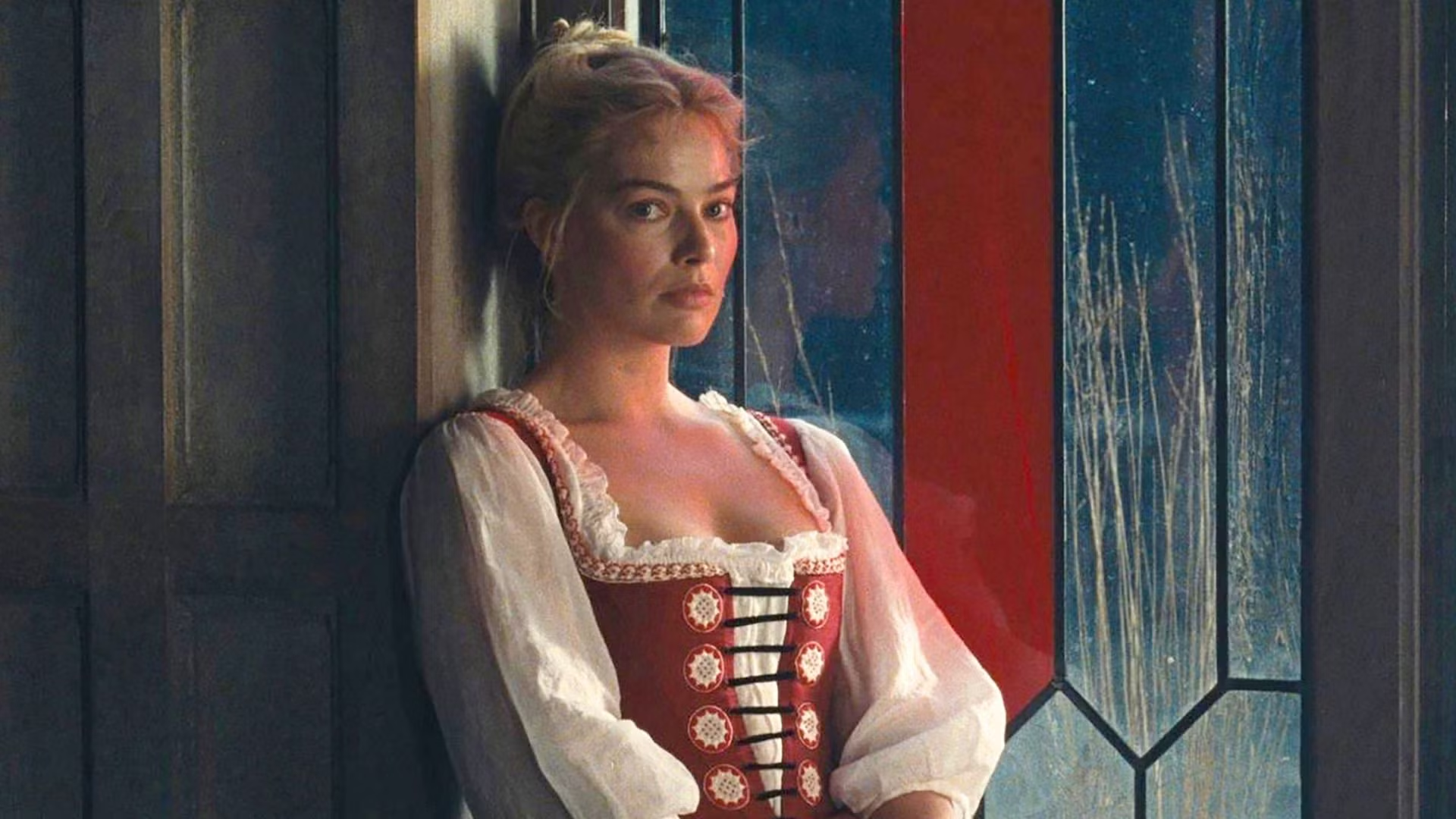
Catherine Earnshaw (Margot Robbie) and Wuthering Heights
In Emily Bronte’s novel, Catherine is a complicated main character who is often caught between her feelings and her sense of reason. Her imperfect and sometimes selfish choices move the story forward.Margot Robbie emphasizes Catherine’s emotional conflicts, moving beyond her romantic aspects. Her portrayal highlights the character’s inner struggles, consistent with the novel’s psychological depth. This interpretation makes Catherine more accessible to new audiences while offering longtime fans a fresh perspective on one of literature’s most complex heroines.
Throughout her career, Margot Robbie has chosen projects across different genres. Besides big-budget films, she often picks movies focusing on character development. This range makes her a good fit for a dramatic story like Wuthering Heights. Robbie works in the industry as both an actor and a producer. Many film critics see her creative input as positive. This could influence how Catherine is portrayed in the new Wuthering Heights adaptation.
Although the film has been released, discussions continue about how closely it follows Emily Bronte’s original novel. Early conversations focused on story changes, the performances of Margot Robbie and Jacob Elordi, and Emerald Fennell’s direction. Judging the project only by Margot Robbie’s star power doesn’t give the full picture. The director’s vision, script, cinematography, and how well the cast works together are as important as the lead actor’s performance. If all these elements work well, Wuthering Heights could become a modern adaptation people talk about for years.
One of the most noticeable aspects of the finished film is how it blends traditional period-drama aesthetics with modern cinematography. Instead of relying only on historical accuracy, Emerald Fennell uses visual storytelling to make the emotional conflicts feel more immediate for today’s audience.
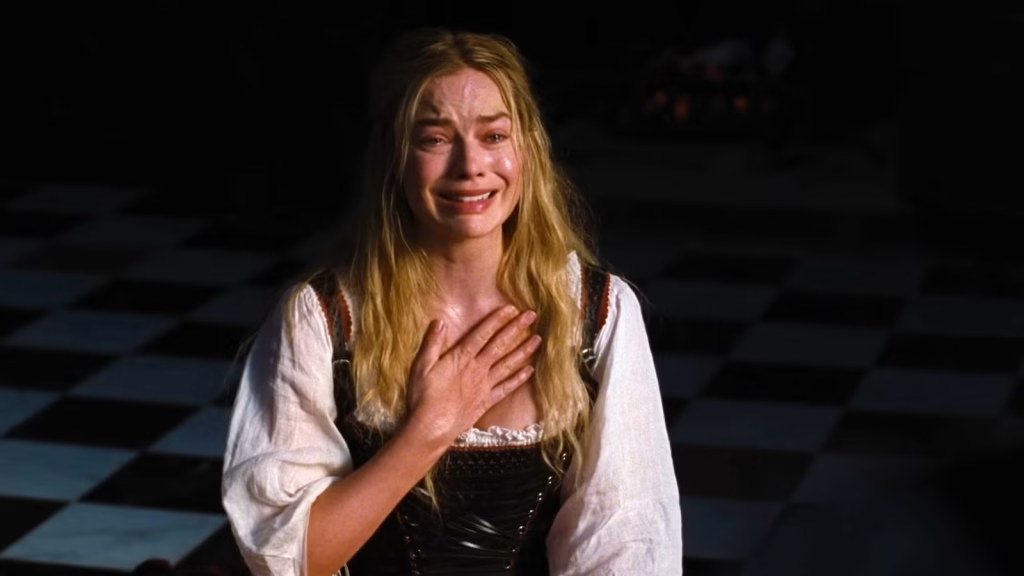
Differences Between the Novel and the Wuthering Heights Movie
Emily Bronte’s Wuthering Heights, published in 1847, isn’t just a love story about Catherine Earnshaw and Heathcliff. The novel explores themes like revenge, class conflict, domestic violence, and the darker sides of human nature across generations. The 2026 film, directed by Emerald Fennell, narrows this broad story and focuses more on the characters’ relationships.
1. The Second Half of the Story Is Not Included in the Film
One striking feature of the novel is that the story continues after Catherine’s death. In the second part, Emily Bronte moves the novel beyond a love story by telling Heathcliff’s revenge plan and the next generation’s experiences.
The film, however, largely abandons this structure. The story focuses on the tragic relationship between Catherine and Heathcliff and nears its conclusion after Catherine’s death. Thus, the large section devoted to the second generation of the novel is completely omitted.
2. Some Characters Completely Removed
One change readers will notice is the characters. Mr. Lockwood, who narrates the book, isn’t in the film. Hindley Earnshaw, another key character, is changed; some of his role is given to Catherine’s father. This reduces the number of characters and simplifies the story.
3. The Film Places Greater Emphasis on Romance
Even though the novel is often called a “great love story” Emily Bronte actually describes a relationship that is more destructive and obsessive than romantic. Heathcliff and Catherine don’t complete each other; instead, they often wear each other out.
In the film, the romance between the characters stands out more. Director Emerald Fennell shows their physical closeness and emotional pull more clearly than the novel. This makes the film more appealing to a wider audience, but some critics say it moves away from the novel’s original tone.
4. The Final Episode Also Offers a Different Interpretation
At the end of the novel, the story shows the next generation trying to move past old problems, not just focusing on Heathcliff. The film ends with Catherine and Heathcliff’s tragedy, making for a more emotional finish. This gives the movie a stronger ending but leaves out the novel’s theme of different generations.
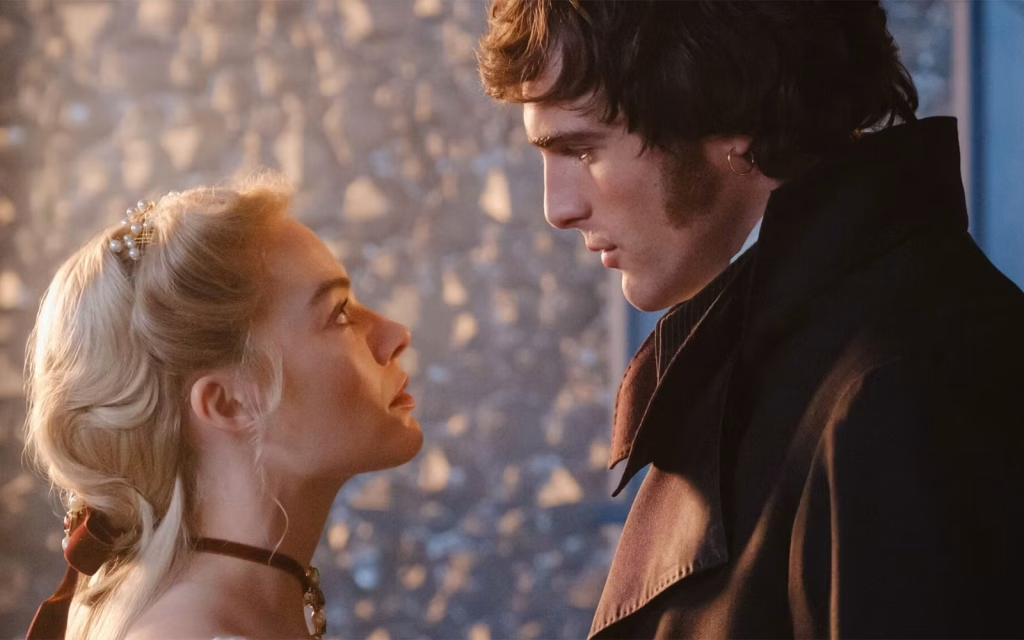
Margot Robbie and Jacob Elordi
The relationship at the center of the novel is not merely a romantic bond. The communication between Heathcliff and Catherine is the fundamental element that carries the emotional weight of the story. Therefore, the chemistry between the actors is seen as one of the most important factors that will determine the film’s success.
Jacob Elordi’s performance complements Margot Robbie’s, and their on screen chemistry is one of the film’s strongest elements. However, it is important not to focus only on the romantic aspect of the relationship. The anger, regret, obsession, and class conflict at the novel’s core must also be reflected with equal intensity.
Wuthering Heights is more than just a romantic period drama. While many first-time viewers might see the film as a love story, the novel deals with much deeper themes.
- Social class division
- Search for identity
- Power struggle
- Sense of revenge
- Family bonds
- Psychological transformation
By exploring these themes, the adaptation distinguishes itself as one of the more memorable dramatic interpretations of a classic novel in recent years.
Emerald Fennell’s Directing Style
Keeping the costumes, sets, and period feel is important, but using modern camera work, colors, and pacing can help younger viewers connect with the film. This way, the movie keeps the spirit of the classic while reaching more people. One risk in adapting classics is telling the story word for word and missing what makes a good film.
Looking at Emerald Fennell’s past work, she stands out as a director who focuses on character psychology, creates a strong atmosphere, and uses visuals well. Instead of recreating every scene from Bronte’s novel, Fennell prioritizes preserving its emotional intensity. This balance between faithfulness and creative interpretation distinguishes this adaptation from earlier versions.