What is a Good Credit Score and How Can You Boost Yours Fast?
Lenders can look at your credit report to see your past credit habits, so having a great score will make things easier financially. When you apply for a loan, credit card, or home financing, the lender might access your credit file. A good credit score shows a history of good payment behavior and prudent credit use. A low score can impact future borrowing more heavily but does not mean good credit health is impossible. By paying bills on time, keeping card debt low, and checking your credit report, you can make strong progress. Some measures improve your score quickly, while others take months. It is best to focus on long-term credit habits alongside quick wins.
What Is a Credit Score?
A credit score reflects your credit history and past credit use. This number helps lenders judge how well you can manage credit going forward. Late payments hurt your credit file, so payment history plays a large role in a credit score. Credit card balances also factor in since high balances can indicate risk to a lender. Some scoring models consider new credit applications and the age of old accounts. Different lenders use different scoring models, so you may see different scores at different places. Still, having a credit score is a good way to gauge your overall credit health. It gives you insight into what is working in your credit file and what needs improvement.
What Is a Good Credit Score?
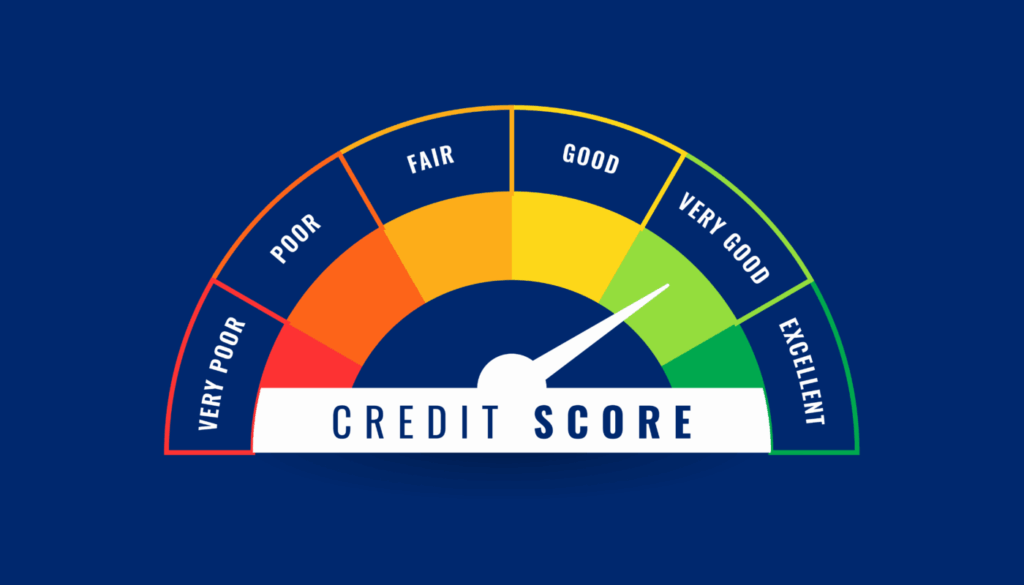
Multiple scoring models exist, so the good credit score range depends on the model, and no single number applies to every lender.
A score below this can fall in the poor range, but lenders never decide based solely on percentiles. Your score, income, payment history on current loans, and loan type all affect approval for debt restructuring. While a good credit score does not guarantee approval, it can help you negotiate better terms or rates. Do not just chase a big number. A better goal is to practice credit hygiene that will serve you well long-term.
Advantages of Having a Good Credit Score
A decent score makes it a lot easier for you to get an interest rate and lowers the total cost of the loan.
Better Credit Card Offers
You can receive improved offers on your credit cards. Other cards might have rewards and lower fees too.
Higher Credit Limits
Your credit score can facilitate a higher credit limit on your card. This can increase spending flexibility.
Lower Borrowing Costs
Affordable Borrowing: If you have a good credit score, obtaining a loan is possible. In the long run, you may pay less interest.
Rental Approval: My Help
Some landlords conduct a credit check when someone applies for the rental. A higher score will enhance your eligibility for loan approval.
More Financial Options
Having a positive credit history can open up different types of loans for you. You can compare better terms.
Strong Financial Profile
An excellent credit score tells lenders that you are a responsible financial citizen. This may prove useful for hitting financial goals in the future.
What is Your Credit Score Simply Put?
Lenders hinge credit on your ability to pay back, so more often than not, your credit score can influence most of your financial goals. At the time of applying for a personal loan, credit card, car finance, or home loan, a lender may look at your credit profile. A positive credit history may indicate to the lender that you have responsibly handled previous debt. To illustrate, a decent score can be useful in getting you better loan features and lower rates of interest. If you have a low score, it may be harder to get a loan, with higher rates from some lenders. The loan amount can increase significantly if interest rates are higher. Better credit opens up more opportunities toward future financial ambitions. Therefore, monitoring your credit score for unusual activity and regularly practicing healthy financial habits is essential for effective financial planning.

What Can You Do To Raise Your Credit Score Quickly?
There is no guaranteed approach to improving your credit score in one hit, but certain effective measures can help you recover your credit score in a shorter time. Important note: High credit card balances can help, as lower credit utilization can bolster a strong profile. Furthermore, pay your bills on time, as late payments can hurt your credit history.
And you would rather not apply for too many streams of new credit in a small amount of time, since rigorous checks can lower your score. Not always useful: closing old accounts without reason. A more valuable and safer way is to dream about sustainable credit improvement instead of fast score gain.
Pay Every Bill on Time
Seeing as payment history can account for a large portion of your credit score, paying those bills on time is one of the best habits to create if you want to have good credit. Paying those bills on time is one of the best habits to create if you want to have excellent credit scores. Paying bills late regularly is something that stays on your credit file and can potentially hurt you. Due dates can be tracked through phone reminders or automatic payments. If you can’t pay your full balance, at least make the minimum payment today. In fact, as a long-term financial habit, paying off the full balance and keeping debt to a minimum may be even better. Developing a monthly budget enables you to set aside the necessary funds in advance of your payment deadlines. We all know that consistent payments show a lender you are responsible. Establishing positive payment habits throughout the years can enhance your credit history.
- Always pay bills on time.
- Missing payments negatively impact your credit score.
- Track payment due dates regularly.
- Avoid missed payments with phone reminders.
- You have the alternative of automated repayments.
- Have funds for bills set aside from the monthly plan.
- Consistent payments strengthen credit history.
Lower Your Credit Card Balance
Credit card balances impact your credit score because credit utilization shows the proportion of available credit you use. For example, a $2,500 balance on a $5,000 limit means you use 50 percent of your credit. High utilization may increase risk in some scoring models. Lower utilization strengthens your credit profile. Consistently reducing credit card debt is advisable. Making extra payments can speed up debt repayment. Monitoring spending helps prevent new balances. Opening a new card just to lower utilization is unnecessary and may increase your debt risk. Develop a clear debt repayment plan and review your card balances monthly.

Understand Credit Utilization
Credit card usage affects your credit score because it reflects how much available credit you use. For example, with a $5,000 limit and a $2,500 balance, your utilization rate is 50%. Higher utilization can increase risk, while lower utilization helps maintain a stronger credit profile. Step {9}: Reducing your credit card balance can be beneficial.
Reduce Your Card Balance
Extra payments will mean faster credit card debt repayment. Once the current balance is cleared, controlling unnecessary outlays could help prevent new balances from accumulating. Look through the monthly credit card statements and track down unnecessary spending. If you follow a straightforward repayment strategy, your balance will start to decline over time.
Create a Debt Plan
Reducing your utilization doesn’t have to mean getting a new credit card. New credit can be another source of additional debt risk. Look at what you earn and spend and decide on a fixed amount that you will repay each month. Consistent payments and moderate expenditures can assist you in decreasing your credit card debt.
Benefits of Checking Credit Report
The credit report is a detailed breakdown of your credit activity. Checking it regularly is an important financial habit. Sometimes the report shows false balances, wrong payment records, unknown accounts, or duplicates. This misinformation can damage your credit score and affect future loan applications. Reviewing your report helps you understand your current credit position. If there are errors, you can challenge them through the dispute process. It also helps you spot signs of fraud. Identify any unknown accounts and do not overlook them. Responding early can reduce losses and keep your credit file accurate.

Check for Credit Errors
Check your balances and payment records since inaccurate data can hurt your score. Look for unknown accounts, duplicates, and misreported late payments. Correct any errors through the dispute process.
Watch for Fraud Signs
New credit cards, surprise loan checks, or debt you did not apply for might be warning signs of fraud. Ignoring them can lead to complications. Review your report promptly. Monitoring your credit helps detect unusual activity early.
Keep Your Report Updated
Your credit report contains personal and account data that lenders see, so keep the information accurate. Incorrect, outdated, or wrong account statuses can be corrected. Accurate reports help maintain a clear and dependable credit profile.
The Essential Measures to Improve Credit Score
- Pay your bills on time each month.
- Manage credit card balances.
- Monitor your credit report regularly.
- Properly dispute incorrect credit data.
- Avoid unnecessary or excessive new credit applications.
- Continue to pay down existing debt in an orderly fashion.
- Stick to the monthly budget and eschew any additional debt.
Smart Credit Habits
Do you need credit before applying for a new account? Review the interest rate, annual fee, payment terms, and total cost. For each new account, clearly understand how you will pay it off.
Better Debt Control
Before taking on new debt, check your current liabilities and monthly repayments. If you are already deep in debt, borrowing more will put greater strain on your finances. Staying on top of debt payments ensures strong credit habits that support your spending budget.
Compare Before Applying
Reviewing loan and card options will help you make smart financial decisions.
Build a Long-Term Credit Plan
Since credit history is cumulative, building a strong score requires short-term actions and a long-term plan. Build habits like paying every bill on time each month and keeping credit card balances low. Pay off high-interest debt strategically because lower debt may relieve financial stress. Monitor your score based on the data you provide and improve a little at each step. More than quick fixes, credit health comes from cultivating simple virtues: consistency, patience, and smart money habits.
Credit Improvement: My Common Mistakes
- Paying bills late or missing due dates.
- Using a very high percentage of your credit card limits.
- Applying for multiple new credit accounts in a short period.
- Impartir por cerrar las cuentas viejas sin planificación.
- Obtaining new loans or credit cards without necessity.
- Trusting false promises of instant credit score improvement.
Credit scores play a significant role in financial decision-making, as lenders use them to assess credit risk. A strong credit score provides access to more favorable loan, credit card, and mortgage options. However, establishing a healthy credit score is a gradual process, and shortcuts are generally ineffective and potentially risky. Responsible credit practices include timely bill payments, maintaining credit card balances within issuer limits, and regularly reviewing credit reports. Promptly addressing inaccuracies is essential, as errors can negatively affect a credit profile. Additional strategies involve limiting new credit applications and managing existing accounts prudently. Consistency in these behaviors is crucial, as sustained habits contribute to a robust credit history. Careful planning of expenditures, debt, and payments supports ongoing credit improvement and enhances eligibility for future financial objectives.