
What Causes Edema & What Are the Symptoms of Edema?
Edema occurs when small capillaries leak fluid, causing it to accumulate in your tissues. Fluid can build up in areas such as the feet, arms, legs, hands, and abdomen. There are many types of edema and reasons for it. Sometimes, you may lose a lot of weight when you first start losing weight because you have eliminated edema from your body. The water lost shows as a negative value on the scale. However, permanent weight loss means losing fat and gaining muscle, not water.
So why does edema occur? We have listed the reasons below;
- Edema may occur before or during the menstrual period,
- Consumption of foods high in salt, such as pickles, can contribute to edema.
- Pregnancy is a potential cause of edema,
- Prolonged inactivity or long periods of sitting can lead to fluid accumulation.
- The use of high blood pressure medications or estrogen-containing medications may also result in edema.
- Fluid accumulation may also result from underlying medical conditions, including liver disease, cirrhosis, or kidney failure.
- These conditions can cause fluid to accumulate in specific regions of the body.
What are the Symptoms of Edema?
- Swelling in the arms, legs, hands, abdomen, or feet may indicate edema.
- If these areas form an indentation after pressing with a finger for a few seconds, it may also indicate edema.
How is Edema Treated?
For mild edema, try these strategies. Limit salt intake as it causes the body to retain water. Drink enough water and eat foods that help remove excess fluid. To find your daily water needs, multiply your weight by 30 to 35 milliliters. Regular exercise and consulting a dietitian also support edema management.
What Foods Help Reduce Edema?
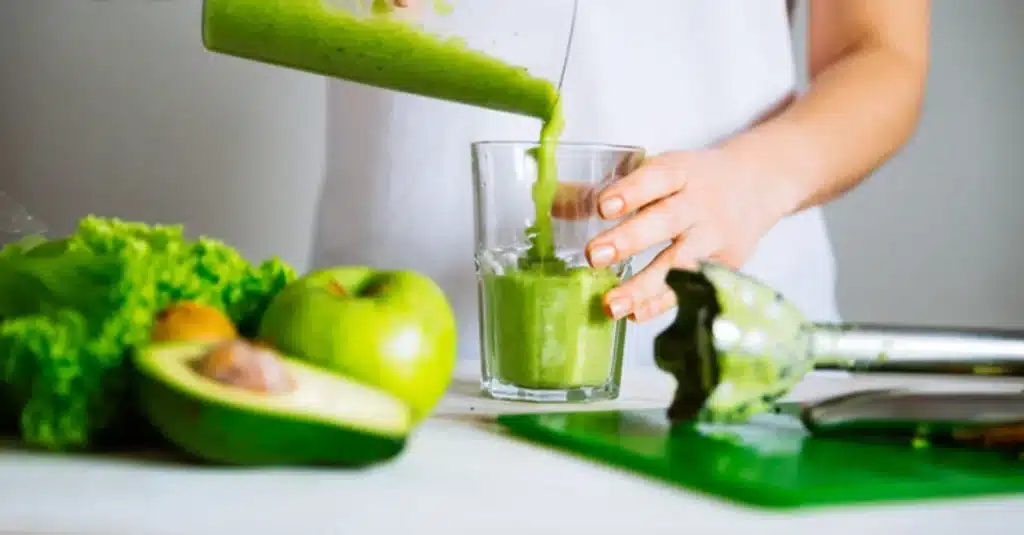
- Consuming foods rich in magnesium can help prevent fluid retention and reduce the risk of edema. Good sources include whole grains, green vegetables, and dark chocolate.
- Eating foods rich in vitamin B6, especially before your period, can help reduce or prevent fluid retention. Foods high in vitamin B6 include bananas, walnuts, red meat, legumes, and dairy products. Avocados are good sources of potassium.
- Drinking enough water is important. Consume at least your daily needed amount as mentioned above. Drink water throughout the day instead of all at once.
- Eating foods that act as natural diuretics can also help reduce water retention. Some examples are green tea, chamomile, parsley, and dandelion.
You can drink 1 to 2 cups of green tea a day to help reduce edema. If you are pregnant, breastfeeding, or have high blood pressure, kidney, diabetes, or liver problems, consult your doctor or dietitian before drinking green tea. Foods like pineapple, parsley, and radish can also help reduce edema.