Lease vs Finance: Key Differences You Should Know
When acquiring high-value assets like cars, machinery, or equipment, you often choose between leasing and financing. Both provide access but differ in ownership and cost. Understanding these differences is important before deciding. Leasing usually offers lower monthly payments and flexibility to upgrade to newer models. Financing leads to ownership after all payments are complete. Each option has specific advantages and disadvantages.
What Is a Lease?
A lease is a legal agreement allowing you to use an asset for a set period in exchange for monthly payments. The leasing company keeps ownership while you have usage rights. At the lease end, you may return the asset, renew the lease, or purchase it, depending on your contract. Leasing suits those who want access to the latest technology or vehicles without owning them.
Meaning of Lease
A lease is a contract that grants you the right to use an asset for a defined period in exchange for monthly payments. The leasing company retains ownership, and your rights are limited to usage. Leasing emphasizes use over ownership.
Ownership and Usage Rights
With a lease, you do not own the asset; your use is defined by the contract. The leasing company remains the owner, which benefits those who prefer not to take on ownership responsibilities.
Options After Lease Completion
At the end of the lease, customers may return the asset, renew the lease, or purchase it. Options depend on contract terms.
What Is Finance?
Financing allows you to acquire an asset through a loan or installment payments. A bank or finance company provides the funds, which you repay monthly. Once all payments are complete, you own the asset. Financing is suitable for those seeking long-term ownership and applies to cars, machinery, office equipment, and commercial vehicles.
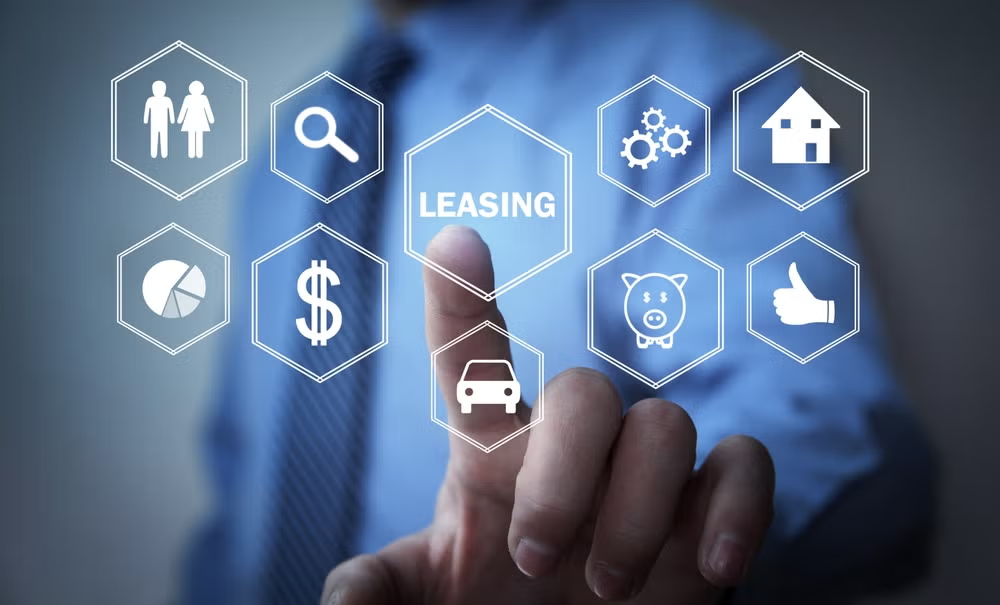
Making People Compare Leasing and Financing
When acquiring high-value assets such as cars, computers, or office space, many people compare leasing and financing. The best option depends on your priorities. Some prioritize lower monthly payments, while others value long-term ownership. Assessing your needs and comparing costs can help you save money and prevent future issues.
Understanding Lease and Finance Options
Leasing and financing are the two most common ways to acquire high-value assets. Comparing these options can help you make informed financial decisions.
Considering Financial Needs
Everyone has unique financial needs and priorities. Some prefer lower monthly payments, while others value long-term ownership. Understanding your options and financial situation helps you choose the best solution and avoid future issues.
Comparing Costs and Benefits
Comparing leasing and financing lets you evaluate costs and benefits, including monthly payments, ownership, and long-term responsibilities. This helps you manage your finances and avoid unnecessary expenses.
How Leasing Works
A lease is a contract between the customer and the leasing company that specifies the term, monthly payments, and conditions. The company retains ownership, while the customer uses the asset. At the end of the lease, the customer follows the agreement’s specified steps.
- First, determine if you need the asset for a short term.
- Compare the total cost with the monthly payment.
- Review all contract terms and conditions carefully.
- You may seek advice from a financial consultant if needed.
How Financing Works?
Financing means borrowing from a bank or finance company to purchase an asset. The buyer makes fixed monthly payments until the loan is repaid, after which ownership transfers and the buyer gains full rights to use or resell the asset.

Ownership
With a lease, the leasing company retains ownership. With financing, ownership transfers to the customer after the loan is fully repaid.
Monthly Payments (Customer)
Lease payments are usually lower than financing payments, as financing involves purchasing the asset.
Contract Length
A lease has a fixed term. With financing, you gain full ownership after completing all payments.
Maintenance Costs
A few lease payments incorporate upkeep and taking care of it. The owner carries the responsibility of maintenance and repair, in finance.
Asset Value and Repair in
After financing is complete, the customer benefits from the asset’s resale value. In contrast, at the end of a lease, the asset returns to the leasing company.
- Key Differences Between Leasing and Financing
- Leasing does not transfer ownership.
- Financing results in ownership.
- Leases typically have lower monthly payments.
- Finance is a long-term investment.
- Leasing is ideal if you want access to the latest models.
- Financing: Ideal for Long-Term Use
Factors to Consider Before Choosing
Consider a monthly payment you can afford. Evaluate the intended use period, maintenance costs, and resale needs. Before signing, understand hidden charges, insurance requirements, and early termination fees.
Lease vs Finance for Businesses
Businesses may use both leasing and financing. Leasing allows frequent access to updated equipment with lower upfront costs. Financing suits companies seeking long-term ownership. The best choice depends on the company’s budget and growth plans.

Long-Term Financial Impact
Leasing and financing affect long-term finances differently. Leasing offers lower monthly payments but no ownership. Financing requires higher payments but grants ownership at the end. Consider total cost and future value, not just monthly payments, when deciding.
- Impact of Leasing
Leasing results in lower monthly payments but ownership does not transfer at lease end. It suits those who value flexibility over ownership.
- Impact of Financing
Financing involves higher monthly payments, but you gain full ownership at the end of the term. This option is best for those who plan to use the asset long-term.
- Comparing Long-Term Benefits
When comparing leasing and financing, consider total cost, desired level of ownership or control, and future needs. Careful comparison helps you make informed and cost-effective decisions.
When Should You Choose Leasing?
Leasing is ideal if you want new models every few years or prioritize lower monthly payments over ownership. Companies often lease equipment needing frequent upgrades due to changing production needs.
When Should You Choose Financing?
Financing suits those who plan to keep the asset long-term, intend to sell it later, or seek ownership. It also benefits individuals and businesses with stable income.
Long-Term Asset Usage
If you plan to use the asset long-term, financing is more suitable. This option allows you to make payments over time and gain ownership once the balance is paid. Financing is ideal for those seeking long-term asset retention.
- Wanting Ownership
Financing is recommended if you wish to own the asset in the future. Ownership can provide financial benefits over time and supports long-term planning.
- Selling the Asset in Future
Understanding financial concepts is valuable, especially if you plan to sell the asset later. Ownership provides greater control and flexibility to make decisions based on your needs.
- Suitable for Stable Income
Financing is appropriate for businesses and individuals with stable incomes, as consistent earnings make regular payments manageable. With proper planning, financing can support long-term financial goals.

Debunking Common Lease and Finance Myths
Many assume leases are always less expensive than financing, but actual costs depend on the specific agreement. Financing is not limited to businesses; individuals also use it to purchase vehicles and other assets. Be sure to fully understand all information and contract terms before making a decision.
Lease Is Not Always Cheaper
Leasing is not always cheaper than financing. The total cost depends on the agreement, duration, and terms. Review all details carefully before making a decision.
Finance Does not Belong to Business Only
Financing is not exclusive to companies; individuals also use it to acquire cars, motorcycles, and other assets. It is a straightforward way to meet personal needs.
Importance of Understanding Contracts
Before deciding to lease or finance, read the contract carefully. Ensure you understand the terms, payment plan, and conditions. Being informed helps you make sound financial decisions and avoid future issues.
Making an Informed Decision
Both leasing and financing have advantages and disadvantages. Your choice should reflect your financial situation and needs. Thorough research will help you make a decision that supports your financial security.
Both leasing and financing present distinct advantages and disadvantages. Leasing typically offers lower monthly payments and access to newer vehicles. However, focusing solely on monthly payments should not be the primary basis for decision-making. Understanding the key differences between leasing and financing enables individuals to select the most suitable option for their circumstances. Additionally, it is important to maintain financial security and confidence in future prospects by making informed financial decisions and prioritizing savings.