Elon Musk Predictions That Missed the Mark (So Far)
From aggressive deadlines and sweeping visions to revolutionary technologies that change entire industries, Elon Musk makes predictions. When they pan out, they can be brilliant. When they don’t, it’s worth examining why.
Why Do Elon Musk Predictions Matter?
Musk’s predictions matter because they move markets, create customer expectations, and direct significant engineering resources. Investors, customers, and competitors are listening when a founder of his stature makes confident claims about when things will be delivered. That’s why shots missed by Elon Musk should be studied instead of ridiculed. The problem isn’t that setting ambitious timelines is inherently incorrect. The problem is that far too often, blanket certainty is assigned to goals we later find out are far harder than originally communicated.
Full Self-Driving Timelines
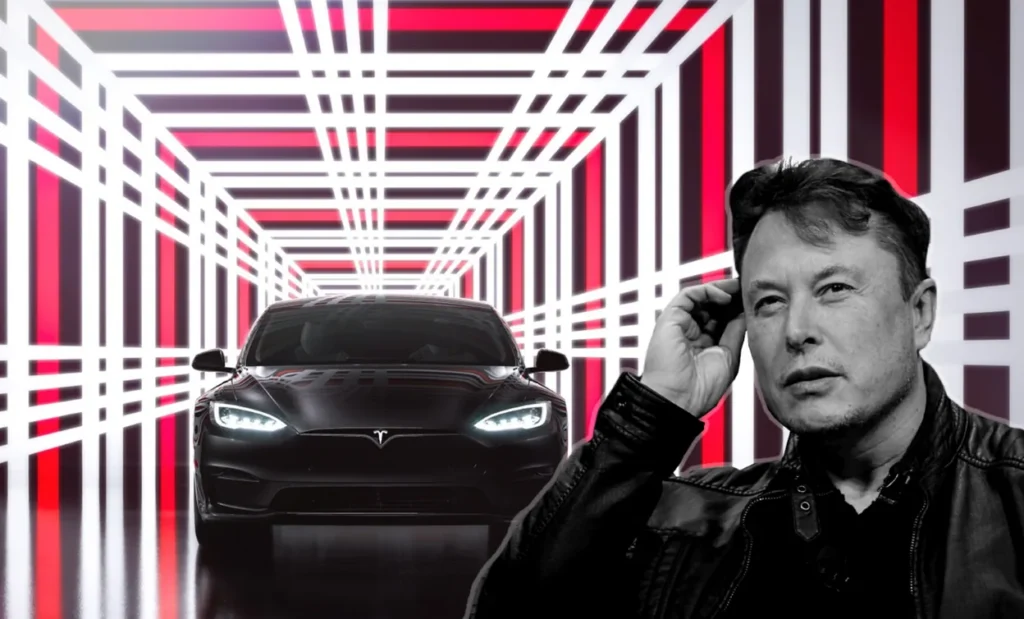
Promising full self-driving capability has probably been Musk’s megaphone to the world. Customers were led to believe that we are months away from robust autonomy via comments like Way more likely than not and pretty much whenever. The world is waiting on full self-driving and we aren’t quite there yet. Software updates have brought improvements but the technology still needs human oversight. Regulatory approval, edge case scenarios, and production reliability have elongated the timeline beyond public expectations.
- Software was often assumed to advance faster than safety validation could occur.
- Validation tests were publicized to build confidence production was near.
- Real world driving introduced edge cases that testing didn’t account for.
- Regulatory bodies considered safety as part of their approval.
- Other companies trying to accomplish similar feats also fell short.
The issue isn’t autonomy itself. Predicting when a technology can reliably work for millions of drivers is much more difficult than predicting when a tool will work for a few trained specialists in ideal conditions.
What Ever Happened to Hyperloop?
Hyperloop was introduced to the world as a potential game-changing transit platform. Musk presented a vision of pod-based transportation traveling at airline speeds on electricity-efficientautoprotions through low-pressure tubes. Hyperloop became a startup, academic papers, and predictions of changing everything. But we haven’t seen a Hyperloop transporting passengers like Musk originally suggested. Early interest has waned as the concept is believed by most to be little more than a conceptual exercise. Infrastructure projects are unique because they don’t simply need a product to succeed. For transportation to change everything there needs to be land rights negotiated, financing secured, safety certified, support/maintenance planned, and political will established just to launch the first route.

Mars Dates and Moving Goalposts
Sending humans to Mars at predictable intervals has been another long-term goal claimed by Musk. At various times Musk has offered up dates for possible crewed missions to the red planet only to continue pushing the goalposts farther into the future.
While SpaceX has achieved tremendous success in reusable rockets and the engineering required for deep space, there are significant challenges with permitting a crew to land on Mars. From life support to radiation protection to propulsion reliability and entering the atmosphere safely, humans will have to overcome biological limits as well.
- Long distance crew health is unknown.
- Supply chain needs would need to be greater than we have today.
- Landing payloads on Mars is extremely difficult, let alone humans.
- There are limited windows to launch missions to Mars.
- Robotics accomplishments are great but do not equate to human travel.
Traveling to Mars is still very much a priority for SpaceX. However, promised dates should be viewed with skepticism as motivational guidance rather than an actual timetable we can expect astronauts to land.
So Why Does This Happen?
One issue is message framing. Musk has often couched engineering challenges within the context of product roadmap and public hype. Crafting those messages can empower teams but mislead stakeholders. Timing is another challenge. Technology doesn’t happen on your schedule. Even if research is completed, you may run into supply chain issues. The government may say it’s not safe. Something else we didn’t expect invariably comes up after success stories make it seem too easy. Elon Musk missed predictions are informative because they show how visionary encouragement can lead to incredible focus and mistakes others believe will never be caught.

How Should We View These Predictions?
Responsible observation involves holding people accountable for their predictions. Yes, they can and should set their company’s vision high. But when specific claims are made about delivery date and capabilities, we should expect to see follow-through.
When Evaluating Future Claims Consider
- Does this announcement have a date or is it motivational?
- How does a prototype differ from real-world deployment?
- Is there independent validation or just controlled demonstrations?
- Have previous dates come and gone?
- Is this about long-term vision or near-term execution?
Hopefully, this framework prevents readers from having blind faith and unreasonable expectations. Elon Musk has had breakthroughs to celebrate but he has also missed deadlines enough that they should be noted, not forgotten.
Learn From Missed Predictions to Improve the Future
Assigning accountability isn’t punitive. In fact, it has the opposite effect. Holding leaders accountable for what they say builds trust in technology. Investors could make better decisions. Customers won’t set unrealistic expectations for themselves. Employees can spend more time working on hard problems instead of responding to why the vision has changed since last year’s interview. The best course of action with Elon Musk failed predictions is to not follow the group think. Whether it’s blind faith or backlash, both extremes miss an opportunity to learn from past promises. What was promised? What was delivered? What still needs to be proven before we believe the next big timeline?