Why Did My Credit Score Drop After Getting a New Credit Card?
In modern times, everyone tends to use credit cards as a mode of payment for daily shopping or making online purchases, along with bills and emergencies. With a new credit card, you are given fair latitude with finances; however, at times, after the opening of that age-old mile-high envelope, your score drops to an unrecoverable level. That scenario is a weird one, especially if your point of purchasing the card was to use it responsibly. There can be several reasons for a credit score drop, like a hard inquiry, a new credit account, a credit utilization ratio, average age, and recent accounts. In many cases, the small drop is short-lived, and proper usage will allow for recovery in future months.
How Getting a New Credit Card Can Impact Your Score
When you submit an application for a new credit card, the lender will most likely check some information from your report. The new account will be reported to your credit report when your application is successful. This process can affect different elements of your credit profile. A new credit card is not, by definition, a bad financial decision. If you utilize the card wisely, make subsequent payments on time, and create a way to cut back your balance, other things like good credit might be a helpful thing in the long run.

Common Reasons
- A hard inquiry could be placed on your credit report.
- The new credit account is included in your credit history.
- Your average account age may decrease.
- Credit utilization may change.
- On the new bill, a high balance might get reported.
- Many applications can help to send multiple recent inquiries.
- Doing so may lower the total available credit by closing an old card.
Hard Credit Inquiry
It is controlled, as everyone has their master; only two would make you believe that your credit is miserable while applying for a store to restore. This is known as a hard inquiry. A hard inquiry could appear on a credit report, and in some scoring models your score may temporarily drop. Its effect is usually small due to the one-time nature of an inquiry. But too many applications in a row will show multiple hard inquiries. This can result in a prominent development for your credit profile.
What is a Hard Inquiry?
Hard inquiry: This occurs when a lender examines your credit report in connection with a credit application. Unlike a soft inquiry, a hard inquiry typically will affect your credit score.
Similar Post: Why Did My Credit Score Drop for No Reason
What Does it do to The Credit Score
A hard pull may result in a mild but temporary decline. The exact impact depends on the perspective of each individual, as credit scoring models take the whole profile into account. A single hard inquiry will only drop your score slightly (it is not an indicator of permanent credit damage). Still, when these inquiries are made over a period in which too many occur, one can have lasting results on one’s credit record.
New Credit Account
When you’re approved for a new credit card, your account is added to your credit report. When applying for a bank loan, recently opened accounts may play into credit scoring systems. So when you open a new account, your score can vary. Even a new account isn’t inherently bad. Consider that with responsible use, a new account can become integrated into your credit history going forward. If you pay on time, keep your line utilization low, and only use it if necessary, the new account can bolster an established credit history for years to come. The account will also gain age along the way, which aids in establishing a wider credit history.
Credit Utilization Can Change
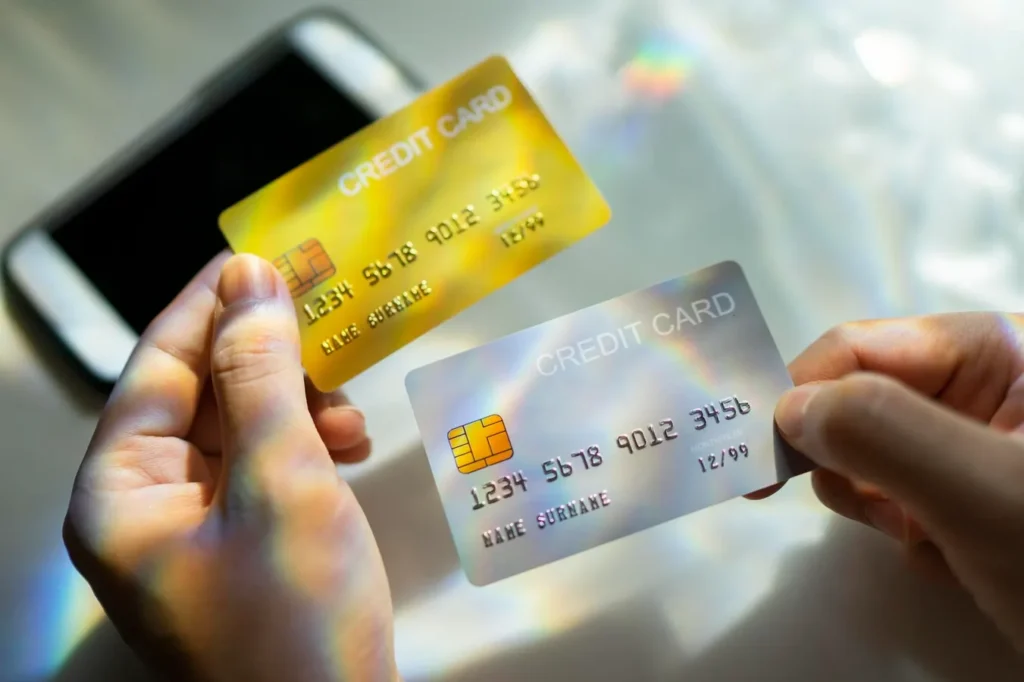
Credit utilization is how much available revolving credit you are using. This can be an important factor in your score as well. Say you have a total available credit of $10,000, and you’re using $2,000; then your utilization is at 20%. A new credit card can provide an increased total available limit, though you might actually increase utilization further if the balances on that account also rise.
High Balance Ka Effect
Higher credit utilization may still occur if a significant balance is reported on the new card. This could cause your credit score to drop temporarily.
Managing Balance
Using the credit card based on your income and monthly budget is a good idea. By steering clear of high balances, you can stay under control with utilization.
Another useful financial habit is to pay your statement balance on time, if you are able.
Payment Practices
Making regular payments can encourage responsible money management behaviors. Sticking to due dates and maintaining balances is a great way to create better money management habits.
Rewards
Some cards provide cash back, points, or other rewards. A responsible credit card can help you get rewards on expenses that are fully within the budget.
Financial Flexibility
Credit available to you can help you be financially flexible in some cases. Having available credit can help financially with unplanned expenses after an emergency; it’s also important to think about the ability to repay. Monthly statements are a great way to help review where your money is being spent. With statements, users get to know their expenses, intermittent expenses that they incurred, and overall spending habits.
Future Planning
Wiser borrowing enhances future financial objectives. Once you make regular payments, stabilize your debts, and manage your credit carefully, it creates productive habits necessary for achieving long-term financial stability.
Average Age of Credit Accounts
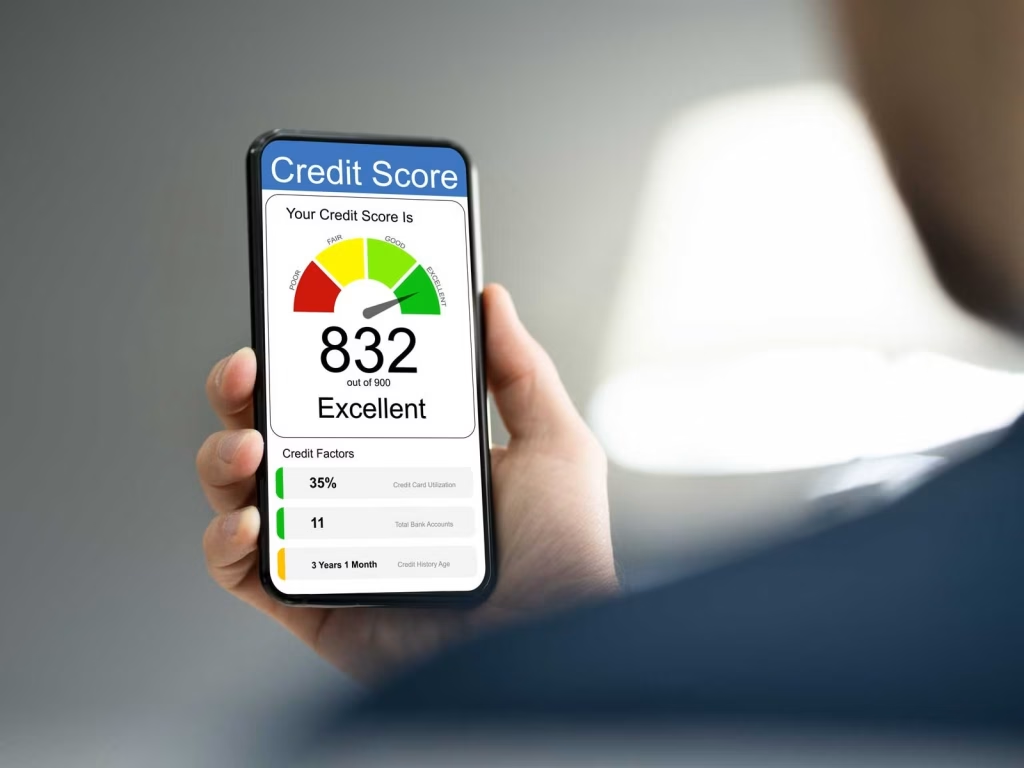
Also known as the age of credit history with a potential impact on your score. Any new account that you open starts with an age of zero. This can reduce the overall average age of your accounts. However, the impact will be less if you have several older credit accounts. On the other hand, if you already have very little credit history, then adding new accounts can impact the average age more substantially. As time goes by, new accounts age; thus, their influence may not be the same in the future. After the account is opened, it pays to practice responsible credit management and make payments on time. Another consideration is that closing old accounts unnecessarily could negatively affect your overall credit history.
Closing an Old Credit Card
People sometimes tend to just cancel their old credit card after they have a new one. When they do this, it may have a cascading effect on their credit score. An old card can decrease available credit and wrap up. If existing balances stay steady, utilization could go up. Of course, other factors come into play as well, such as the age of your credit history.
Payment History Still Matters
It should be your payment history that has to be taken seriously once you have received a new credit card. Because it depends a lot on trade payment history and credit management. Not paying on time or not at all will put a dent in your credit profile. Write down an updated card due date in your calendar, set a phone reminder, or use an auto-payment option, if possible.
Keep your spending under control.
Never treat the large limit of your new card as a form of supplementary income. A credit limit is money borrowed, so spend only what you can afford to pay back.
Protecting Your Credit After a New Card
You can manage your overall credit profile with responsible new card use. Credit spending trends, due dates, and credit limit: It is very important to be careful. Simply, even if the card gives you reward points or cash back/service benefits, do not make any unnecessary purchases to earn these rewards. The Rewards tab is helpful if spending is already in budget. One way to safeguard it is by paying the monthly balances on time, borrowing responsibly using the credit limits assigned if necessary, and avoiding unnecessary debts. Check your credit card statements regularly and do not ignore any suspicious transactions. Instead of keeping high balances, keep your spending within manageable limits. Then, get some helpful payment reminders to strike a balance between building up your credit history and avoiding missed payments. Maintaining responsible habits after getting a new card is essential for long-term management.
Pay Bills On Time
Monitor when payments are due and avoid paying late. This could be automatic payments or reminders.
Manage Balances
Again, do not keep a large balance on the card that you do not need. People can keep debt spending under control.

Check Your Credit Report
Getting a new credit card may unexpectedly lower your score, and checking your report to see if there are any mistakes is always helpful. Go through the report with a fine-toothed comb, looking for new accounts (and if they should be there), hard inquiries that could indicate identity theft or poorly managed spending patterns, account balances, and payment information. Other times, another account update can roll into a change to the other credit score. So instead of blaming the new credit card, you should look at your entire credit report.
Does a New Credit Card Always Hurt Your Score
This can be quite subtle, and some may not see much difference, but the more observant will notice significant improvements. Your credit score is an ocean in the sea of your entire profile. There is also a difference in how things like existing accounts, payment history, and balances affect your score as well; credit limits, account age, or recent inquiries can impact it too. So, an increase in one person’s score should not be considered your exact result of the credit score change.
How long can a Credit Score Decrease last
This very much depends on the exact reason for the drop and how long this will affect your credit score. It may be helpful as well to avoid any unnecessary credit applications. Good payment history accumulates over time with timely payments in addition to responsible credit utilization. The credit score can not be recovered in a fixed time, as it is dependent on the individual’s personalized history and situation. Thus, making the concern about a short-term score drop ridiculous, as it’s best to keep up with responsible credit over time.
Short-Term Changes
An array of new accounts may influence your credit profile for the initial few months. During this time, it is advisable to concentrate on your overall credit habits rather than obsessively running a credit score check.
Long-Term Improvement
Responsible payment history coupled with timely and more controlled balances may assist in developing good credit habits. Consistency over the long-term Important than short-term score changes. Scoring high in a single competition is less important.
Unknown Inquiries Check
If you see a hard inquiry that is not familiar, check what application they belong to. Unexpected credit activity should not be mistaken for something else.
Hard Inquiry
You apply for a new card, and the credit check may impact you temporarily.
- Young Age: A new account can lower the average credit age.
- High Balance: A large balance can ruin credit utilization efforts.
- Multiple Applications: Multiple applications can create several inquiries.
- Closure of Old Card: Lastly, closing the old card can decrease the credit limit.
- Credit Report Updates: Other changes to your accounts can also drive score movement.
After opening a new credit card, it’s common for your score to drop slightly. The cause of the change could be a hard inquiry, new account, credit utilization, or average age of accounts (too many recent inquiries). If you happen to have cancelled an older credit card or keep a high balance on the new card, further changes may also show. Just a small dip in credit score does not necessarily mean that your credit is doomed for all time. These will be less noticeable in the long run with responsible credit management throughout.