How Does Debt Consolidation Affect Your Credit Score?
Managing multiple credit cards can quickly lead to accumulating debt, especially with varying due dates and high interest rates. Different types of debt may also put pressure on your monthly budget. Consolidating your bills into a single debt plan can simplify payments, giving you one due date and one monthly payment. However, taking out a new loan may reduce the average age of your credit history. Paying off debt, particularly by lowering credit card balances, can improve your credit score over time. Maintaining low credit usage and making timely payments both support a strong credit profile. The impact of your debt mix depends on how you manage it, as well as the terms of your existing debts and any new loan. This guide explains how each step can influence your credit score.
- Having a mix of debts might cause your credit score to drop a little at first.
- A hard inquiry may temporarily lower your credit score.
- Obtaining a new loan can decrease the average age of your credit accounts.
- Reducing credit card usage can help improve your credit score.
- Paying your bills on time is key to keeping a good credit score.
- A debt management plan can simplify bill tracking and help reduce financial stress.
- Avoid accumulating additional debt beyond your current obligations.
- Use your credit cards less and pay close attention to each due date.
What Does Debt Mix Mean?
Debt mix refers to combining multiple debts into a single debt management plan. This may involve using a new loan to pay off credit card balances or transferring existing debt to a new card. Our goal is to help make your path to becoming debt-free more manageable.

Lower Your Loan Costs
Consolidating your debts can reduce the interest paid on existing loans. A lower interest rate decreases overall loan costs. Managing a single monthly payment is often simpler than handling multiple smaller bills.
Risks of New Credit
A new loan adds to your debt and may result in a hard inquiry on your credit report. It can also lower the average age of your credit accounts, potentially causing a slight decrease in your score.
Long-Term Benefits
If you make timely payments, any decrease in your score is likely temporary. According to FICO, the impact of different types of debt depends on your overall credit profile. Consider debt mix as a helpful tool, but not a complete solution. An effective plan should also prevent new debt from accumulating.
Can Debt Mix Hurt Your Score?
Carrying significant debt can temporarily lower your credit score, and missed payments can have a greater negative impact. Ensure any new loan fits within your monthly budget. Avoid taking on payments you cannot afford, even with a low interest rate, and review any associated fees. If you frequently use one card, obtaining a new card may help, but maxing out the new card could harm your score. Every debt decision involves some risk to your credit.

Can Debt Mix Help Your Score?
In some cases, a mix of debts can improve your credit score. Lowering your credit card balances reduces your credit utilization, which benefits your score over time. High credit card usage increases the risk of accumulating debt, but paying off cards with a new loan can help manage this. Additionally, a new loan may diversify your credit history, which can be advantageous if you do not already have installment loans.
Debt mix is less important than making mortgage payments or managing debt usage. The primary benefit is reducing credit card debt. Timely loan payments also support your overall credit score. Over time, a strong payment history can enhance your credit rating.g would have to remain in line for this benefit to endure. But if you return to using the old cards, you risk racking up some new debt along with both your new and old. That can exert more pressure on your cash and hurt your score.
What Is Card Use?
- Card use means how much of your card limit you use.
- Let us say you have a total card limit of $5000.
- The use for that time is 50% if you owe $2500 on it.
- Utilization that is high can have a bad role in your FICO score.
- The card may be paid off completely by a debt loan.
- Your card usage might then drop to nearly zero.
- In some cases, this can give a boost to your score.
- The new loan will not wipe your debt out completely.
- It just shifts the debt from one kind to a new type.
What Does A New Loan Do?
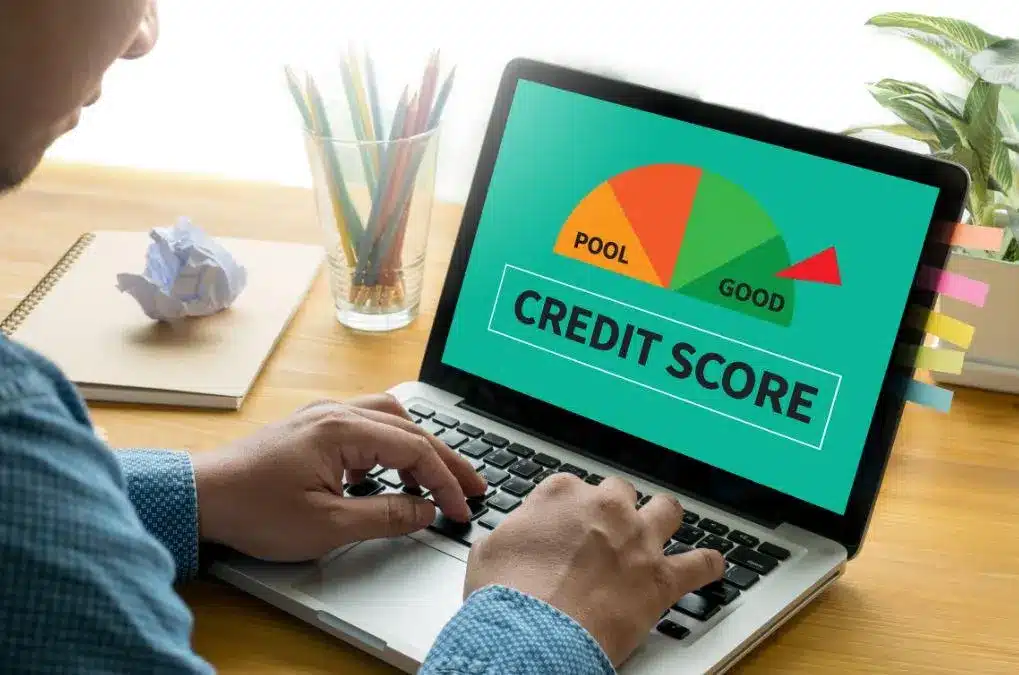
Taking out a new loan can impact your credit file. When you apply, the lender will conduct a hard credit check, which may slightly lower your score. A new loan also decreases the average age of your credit accounts. Over time, making on-time payments can strengthen your credit history and potentially improve your score. Adding a loan changes your debt mix; if you only have credit cards, a loan introduces a different type of account, which may benefit your score. However, payment history is more important than debt mix. Your score may increase or decrease depending on your individual credit profile. FICO notes that score changes vary from person to person.
Risks of Paying Late
Late payments can significantly damage your credit rating. If managing payments is difficult, a debt plan may help. Tracking a single loan is often easier than managing multiple credit cards and can help you avoid missing payments.
Check Your Loan Payments
A new loan can be costly if monthly payments are too high. Be sure to verify the total monthly payment. Consider not only the interest rate and loan amount but also all fees and the loan term.
Choose the Right Loan Term
A longer loan term can lower monthly payments but may increase the total cost. A shorter term reduces overall expense but raises each payment. Choose a loan term that fits your cash flow.
How Can You Protect Your Credit Score?
You cYou can protect your credit score by taking a few steps. First, check your credit report for mistakes. Compare the total cost of each loan you consider, not just the interest rate. Make sure monthly payments fit your budget. If possible, ask lenders for a soft credit check that does not affect your FICO score. Avoid applying for several loans at once since multiple hard checks can lower your score. Always pay your bills on time. Try to pay off old debts before taking on new ones. If you keep old credit cards open, use them only a little each month. Read all loan terms and fees carefully before you sign. Check your credit score regularly. Aim to have less debt and a payment plan you can manage.
Debt consolidation offers greater financial control by combining multiple bills into a single loan payment. This can simplify debt management and may reduce credit card usage shown on a credit report. Although an initial increase in card utilization can improve a credit score over time, the first steps in consolidation may temporarily lower it. For example, a hard inquiry may lower the score by several points, and opening a new loan reduces the average age of credit accounts. These short-term risks do not necessarily reduce the effectiveness of debt consolidation. Consistent, timely payments on the new loan help rebuild credit. It is essential to use the consolidation loan carefully, avoiding debt beyond one’s cash flow and not accumulating new balances on previously paid-off cards. Prospective borrowers should review loan rates, terms, and fees carefully and ensure the new payment fits their income. Checking the credit report for inaccuracies before applying is also recommended. With prudent management, a balanced debt structure can improve both credit scores and overall financial health.